
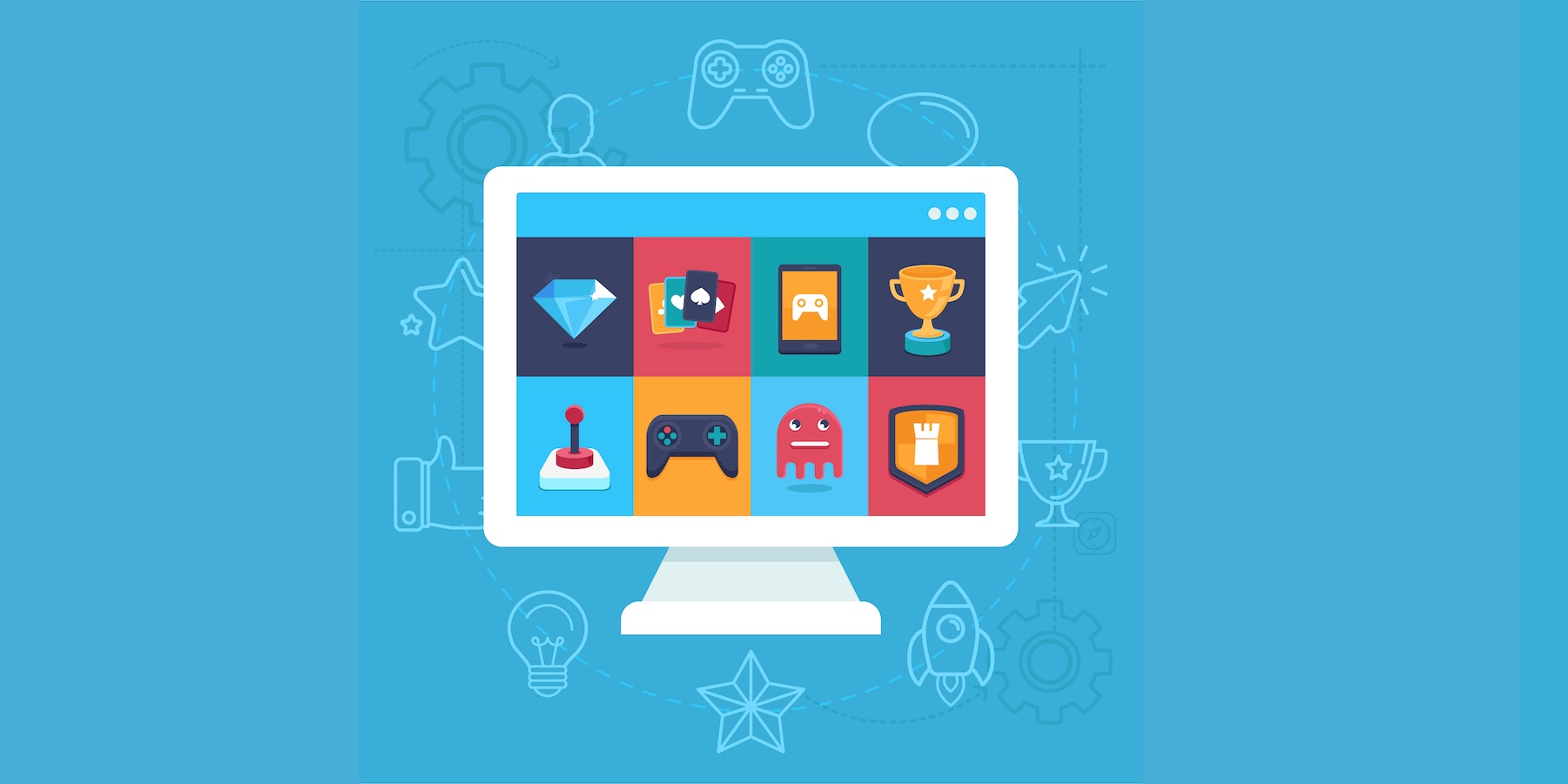
Indian online shoppers have options, too many honestly. Every app pushes discounts, every brand runs sales, and most users juggle multiple platforms while staying loyal to maybe one. The winners in this crowded space aren’t always the cheapest. They’re the ones that make shopping feel like something more than a chore.
That’s the real story behind gamification in Indian e-commerce. It’s not a gimmick, it’s a response to a real problem: attention is limited, and switching apps is effortless.
How We Got Here
A few years ago, gamification mostly meant spin-the-wheel popups and scratch cards offering predictable 5% discounts. Users caught on quickly. The novelty faded, and so did engagement. Open app, spin, close, repeat.
What changed is how companies approached it. Game mechanics stopped being marketing add-ons and became part of the product itself. Meesho leaned into social sharing loops. Flipkart built SuperCoins around real purchase behavior. The shift was simple: users don’t want fake games, they want outcomes that feel real.
What’s Working in 2026
Wallet-based play models are gaining traction. Users top up a shopping wallet to unlock games, and winning those games unlocks better deals. It creates a closed loop where engagement funds rewards, making the economics far more sustainable than blanket discounting.
Tiered loyalty systems are evolving too. Instead of just collecting points, users now level up. Shop consistently, refer friends, complete challenges, and unlock better deals, early access, and higher-value rewards. It feels less like a loyalty card and more like progress.
There’s also a rise in real-time mechanics tied to inventory. Flash deals unlocked through gameplay, countdown challenges, and limited-item drops framed as competitions. It’s fast and slightly chaotic, but effective because scarcity and competition drive action.
The Audience Nobody Talks About
Tier 2 and Tier 3 India is where the real growth is. These users are increasingly comfortable with digital payments and are underserved by metro-focused apps.
They’re not as discount-fatigued as urban shoppers, but they’re sharp. If a game feels rigged, they’ll notice quickly, and word spreads fast. What works here is simple: transparency and genuine value. If users feel they have a real shot at meaningful rewards, they’ll engage consistently and bring others with them.
Where This Is Going
Over the next 12 to 18 months, a few shifts are likely.
Social gaming will deepen. Instead of solo experiences, apps will build group mechanics. Play with friends, unlock deals together, and compete on leaderboards. Given how much shopping behavior already flows through WhatsApp groups, this is a natural evolution.
AI-personalized difficulty will make games more engaging. Early gamification failed partly because it was one-size-fits-all. Adaptive systems that balance challenge and reward for each user will keep engagement high.
Brand-funded game rewards will also grow. Instead of just offering discounts, brands will sponsor reward pools, letting users compete for their products while generating deeper engagement data. It’s more interactive than ads and often more cost-effective than influencer marketing.
The Risk to Watch
Gamification works until it feels manipulative. If apps lean too heavily on variable rewards, users may feel exploited rather than entertained. That’s a trust issue, and trust in Indian e-commerce is still evolving.
The platforms that win will treat users like adults. Clear rules, real rewards, and fair odds. Don’t engineer addiction, engineer enjoyment. Users can tell the difference.
Gamified shopping in India isn’t just a trend anymore, it’s becoming infrastructure. The real question is whether an app is building something genuinely engaging or just repackaging discounts. The ones getting it right are creating experiences users return to daily, not just when they need to buy. That’s a very different kind of advantage.


Leave a Reply