

Cricket has never been a one-dimensional sport. Over the years, it has evolved to match changing fan preferences, broadcasting needs, and player skill sets. From timeless Test matches to high-energy T20 thrillers, the evolution of cricket formats has transformed how the game is played and experienced worldwide. Each format, Test, ODI, and T20, brings its own charm while contributing to cricket’s global popularity.
1. Test Cricket: The Foundation of the Game
Test cricket is the oldest and most traditional format of the sport. Played over five days, it emphasizes patience, technique, and mental toughness. Often referred to as the ultimate test of a cricketer’s ability, this format challenges players to adapt to changing pitch conditions and prolonged pressure. Batters must build innings carefully, while bowlers rely on consistency and strategy rather than raw pace alone. Despite the rise of faster formats, Test cricket remains the backbone of the game and a true measure of skill.
2. ODI Cricket: A Perfect Balance of Skill and Entertainment
The introduction of One Day Internationals in the 1970s marked a major shift in cricket formats. ODIs brought structure and excitement by limiting matches to 50 overs per side, making the game more viewer-friendly. This format encouraged innovation, with batters playing more aggressively and bowlers developing variations to control run flow. Iconic moments like World Cup finals and record-breaking innings have helped ODIs become a global favourite. It successfully bridges the gap between traditional Test cricket and modern, fast-paced gameplay.
3. T20 Cricket: Revolutionizing the Sport
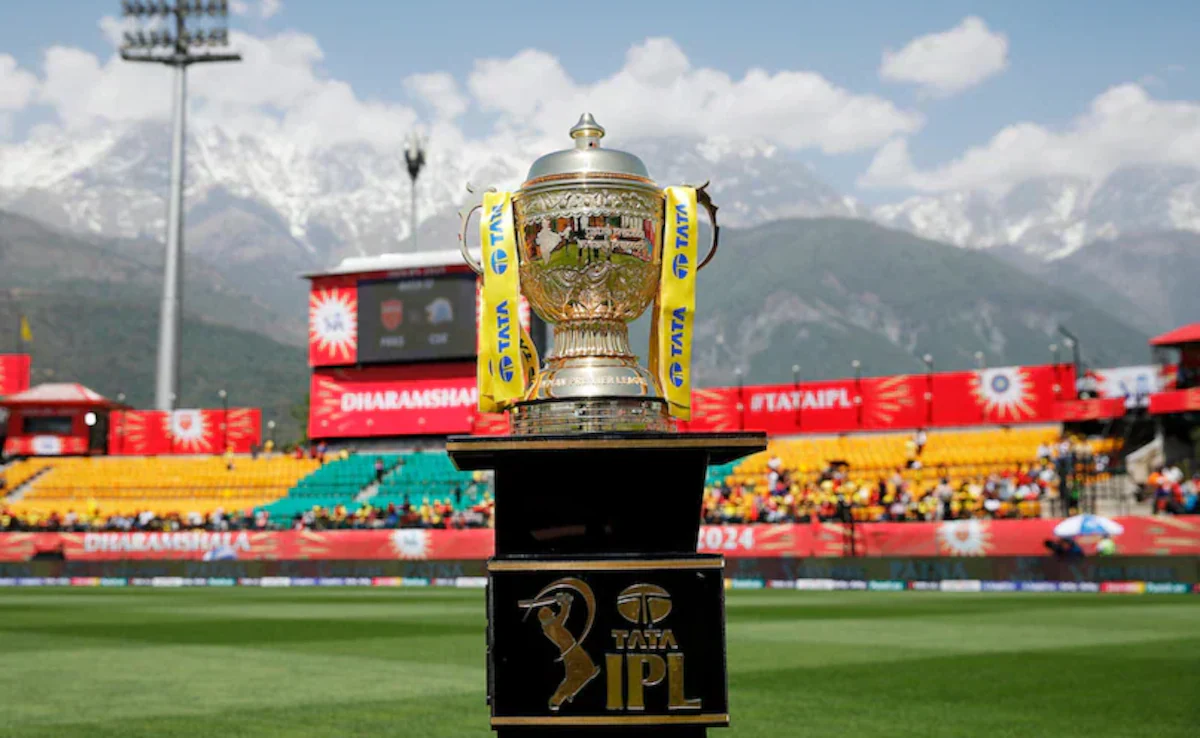
T20 cricket is the most recent and arguably the most impactful of all cricket formats. With matches lasting around three hours, it caters perfectly to today’s fast-moving audiences. The format has revolutionized batting with fearless stroke play, while bowlers have evolved with yorkers, slower balls, and clever field placements. Franchise leagues like the IPL have expanded cricket’s reach, creating new fan bases and commercial opportunities. T20 has also played a crucial role in attracting younger audiences to the sport.
4. Comparing the Three Formats
Each format demands a unique approach. Test cricket rewards endurance and discipline, ODIs focus on adaptability, and T20 thrives on quick decision-making. Players who succeed across all cricket formats showcase exceptional versatility. For fans, the variety ensures there is always a version of the game to suit their mood, whether it’s strategic depth or instant entertainment.
5. Impact on Fans and Fantasy Cricket
The evolution of cricket formats has also reshaped fan engagement. Different formats influence how fantasy teams are built, with T20s favouring explosive performers and longer formats rewarding consistency. Platforms like Jumbo allow fans to experience this evolution first-hand, making every match more interactive and strategic.
The journey of cricket from Test matches to ODIs and T20s highlights the sport’s ability to adapt without losing its essence. As cricket formats continue to evolve, they ensure the game remains exciting, inclusive, and relevant for generations to come.


Leave a Reply