
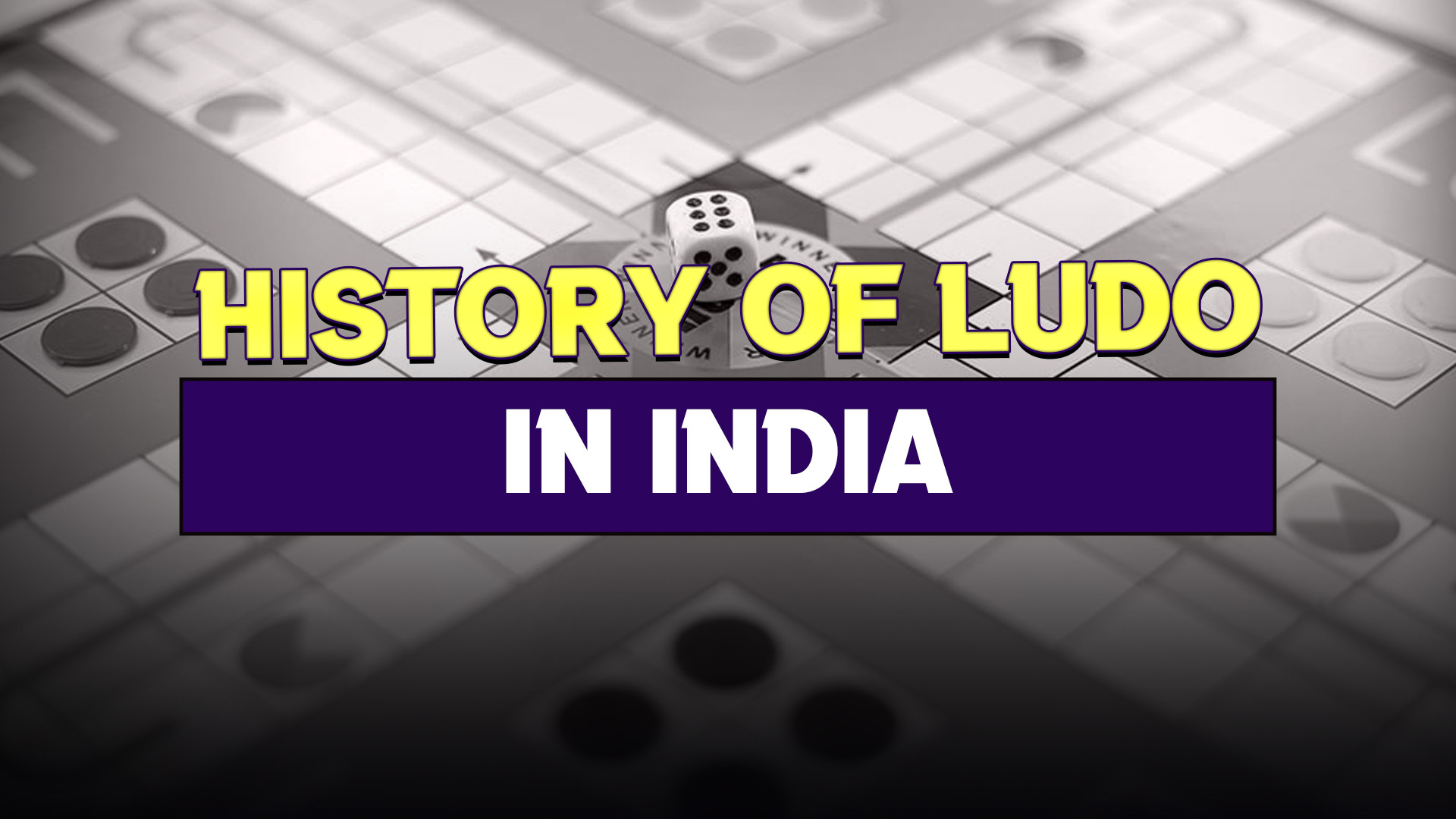
Few games have stood the test of time like Ludo. Simple, social, and full of nostalgia, Ludo is a slice of Indian history that continues to reinvent itself across generations.
From royal courts in ancient India to the screens of smartphones today, the journey of Ludo is nothing short of fascinating.
The Ancient Roots – From Pachisi to Ludo
Long before Ludo became a global household name, there was Pachisi, a traditional Indian board game that dates back to the 6th century.
The name Pachisi comes from the Hindi word “pachis,” meaning twenty-five the highest score that could be thrown with the cowrie shells used as dice.
Played on cross-shaped cloth boards, Pachisi was a game of strategy, luck, and teamwork. Historical records show that it was immensely popular among Indian royalty, Emperor Akbar himself was a known enthusiast.
He is said to have played the game on a grand marble floor at Fatehpur Sikri, using his courtiers as living pieces!
The British Era – Ludo is Born
When the Britishers arrived in India, they were captivated by the charm of Pachisi but found its complex rules a bit challenging. In 1896, an Englishman named Alfred Collier simplified the gameplay, replaced the cowrie shells with a six-sided die, and patented this version under the name “Ludo.”
This new adaptation kept the spirit of Pachisi alive but made it easier for children and families to play. It quickly became popular across Britain and the Commonwealth, eventually spreading worldwide as a beloved board game.
Post-Independence Popularity in India
After India’s independence, Ludo re-entered Indian homes this time in its compact, boxed form. It became a staple in family gatherings, vacations, and friendly rivalries.
Affordable, portable, and easy to play, Ludo soon became synonymous with togetherness. Whether in cities or villages, every household had that iconic square board with colourful tokens.
The Digital Era – Ludo’s Online Comeback
Fast forward to the 21st century, and Ludo found a new life on digital screens. The rise of smartphones and online gaming platforms turned Ludo into a virtual sensation.
Various apps brought the game to millions of players, allowing people to relive childhood memories, now with friends and family across the world.
What made this digital resurgence so powerful was the timing. During the COVID-19 lockdowns, when physical socialising paused, online Ludo became a way for people to stay connected.
Ludo’s magic lies in its simplicity. It brings together competition and camaraderie, patience and luck, laughter and light-hearted arguments.
As technology continues to evolve, one thing is certain: Ludo’s dice will keep rolling for generations to come.




Leave a Reply