
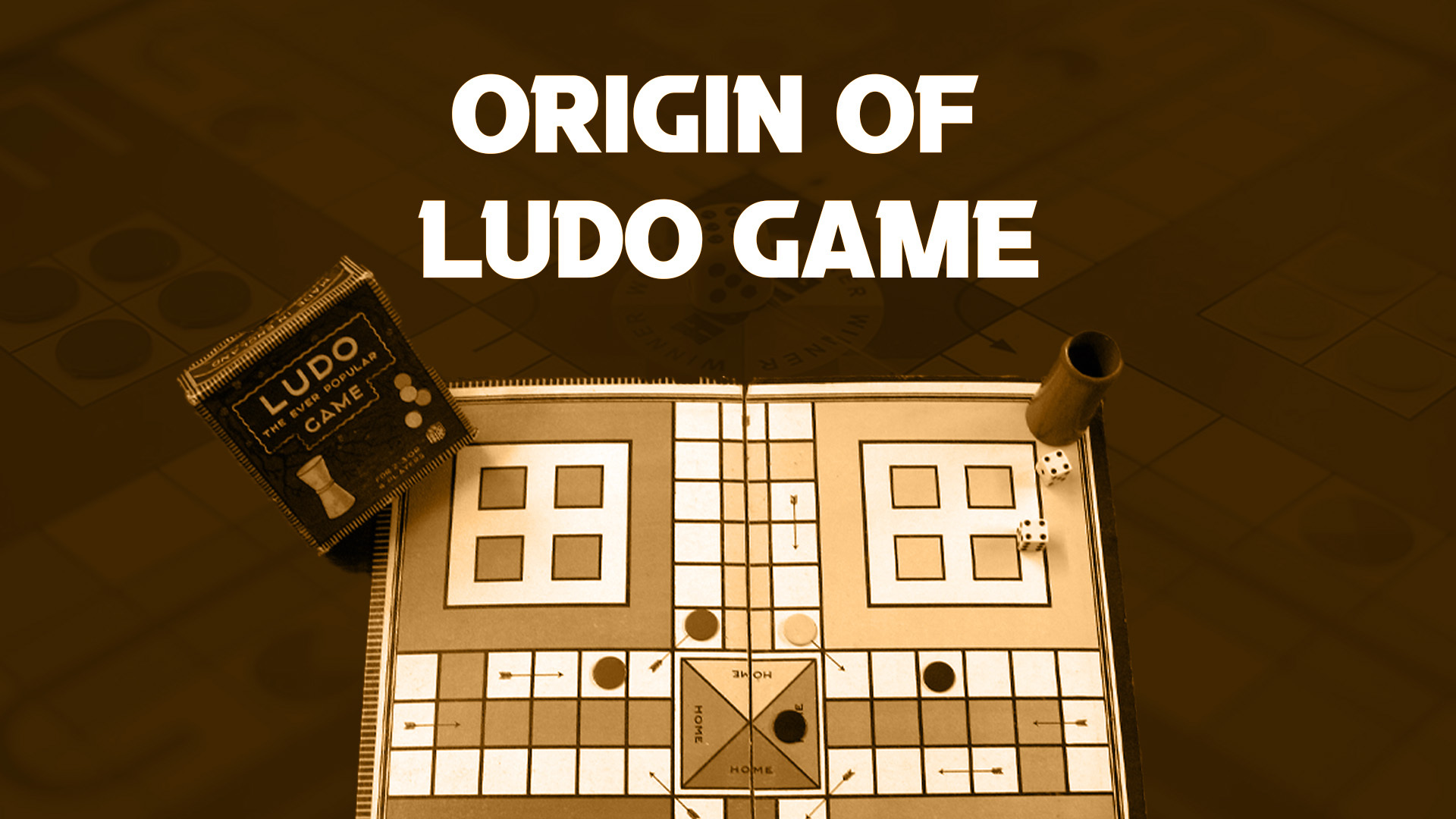
Every Indian has rolled a Ludo die at some point, on a lazy Sunday afternoon, a family get-together, or during a long train ride. But few know that this colourful, laughter-filled board game has an ancient Indian soul.
What the world calls Ludo today began centuries ago as Pachisi – a royal game that travelled across time, continents, and cultures before finding its way back into our palms as a digital craze.
The Birth of Pachisi
The story begins in ancient India, around the 6th century. Long before plastic tokens and dice existed, Pachisi was played on hand-stitched cloth boards shaped like a cross. Instead of dice, players tossed cowrie shells, and their throws dictated how their pawns moved across the board.
Pachisi was considered a game of fate and strategy, mirroring life’s unpredictability. The name itself, Pachisi, comes from the Hindi word “pachis,” meaning twenty-five, which is the highest possible score in a throw of the shells.
The Mughal emperor Akbar was famously obsessed with Pachisi. He even commissioned a life-sized version of the game at Fatehpur Sikri, where his courtiers became the living pawns.
When Pachisi Became Ludo?
Centuries later, when the British arrived in India, they found Pachisi captivating but overly complex. They admired its design but wanted a version they could play easily at home. So in 1896, an Englishman named Alfred Collier reimagined it.
He replaced cowrie shells with a single six-sided die, shortened the gameplay, and gave it a new name, Ludo.
Collier patented the game in England, and soon it spread like wildfire through parlours and classrooms across Europe. The once-royal Indian pastime had transformed into a global family favourite game.
Ludo in the Digital Century
Fast forward to today, and Ludo has rolled right into the smartphone era.
During the COVID-19 lockdowns, it was a lifeline of nostalgia, connecting friends and families across screens when the world felt disconnected.
The rules may have evolved, the tokens may have turned virtual, but the thrill of chasing opponents, the teasing over lucky sixes, and the small victories still feel the same. Ludo has become India’s digital heirloom.




Leave a Reply