
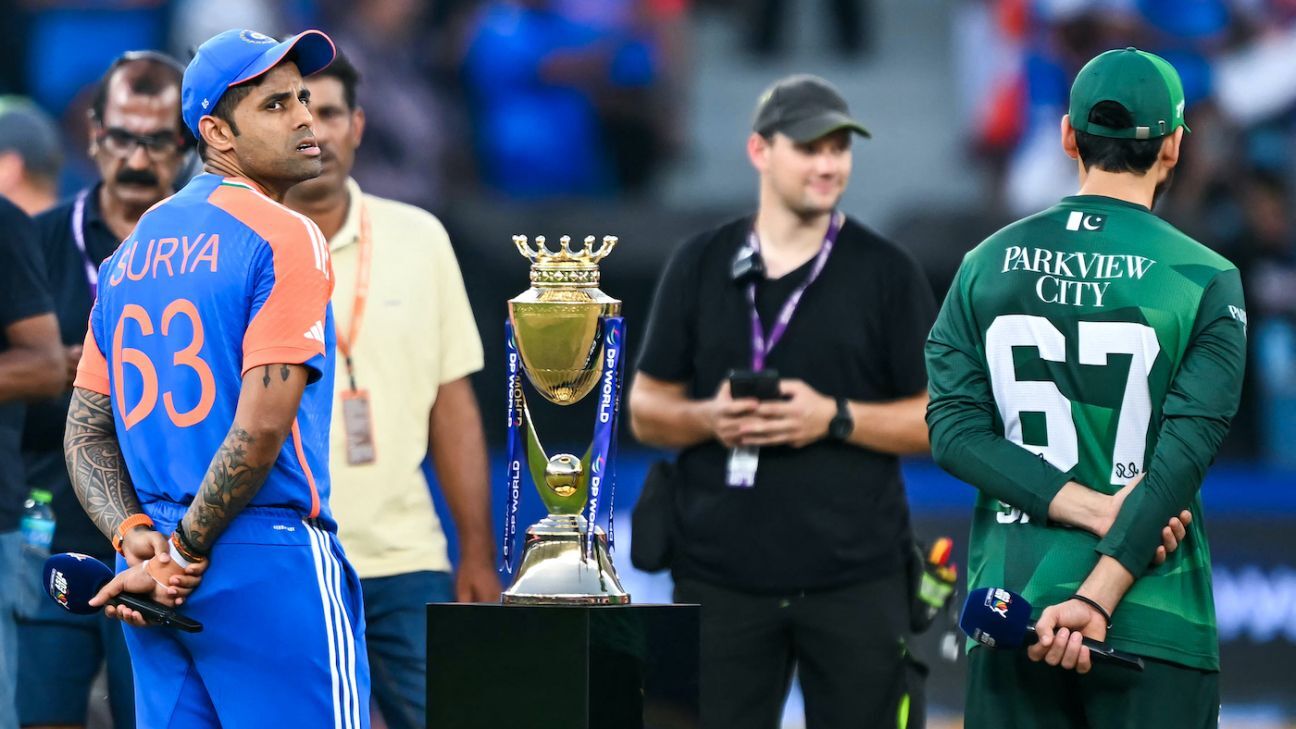
Cricket has always been more than just a game in the Indian subcontinent. When India and Pakistan meet on the field, emotions run high, stadiums overflow, and millions of fans tune in across the world. This is why the recent development surrounding the Pakistan boycott India T20 World Cup clash has sparked widespread debate, disappointment, and concern within the global cricket community.
Pakistan has confirmed its participation in the ICC Men’s T20 World Cup while simultaneously announcing that it will not play its scheduled match against India. Once again, this decision highlights how deeply politics and sport remain intertwined, especially in one of cricket’s most intense rivalries.
What Exactly Did Pakistan Announce?
Pakistan announced that its team will compete in the T20 World Cup but will not take the field against India in the group-stage fixture. In effect, Pakistan has chosen to opt out of one match while remaining part of the larger tournament.
This stance marks an unprecedented moment in modern ICC events. In the past, teams have withdrawn entirely from tournaments, but refusing to play a single opponent while continuing participation raises serious questions about tournament integrity.
Political considerations, rather than sporting ones, have reportedly influenced the Pakistan boycott India T20 World Cup decision, although officials have offered limited detailed explanations.
Reasons Behind the Boycott
Although Pakistan has not issued a single detailed statement outlining all the reasons, several factors appear to have contributed:
- Ongoing political tensions between the two countries
- Diplomatic disagreements affecting sports exchanges
- Previous disputes over hosting rights and travel arrangements
Pakistan has positioned the boycott as a political statement. However, the cricketing world views the Pakistan boycott India T20 World Cup move as a troubling precedent that blurs the line between governance and sport.
ICC and Cricketing World Reactions
The International Cricket Council has emphasized that strict participation rules govern ICC tournaments and that selective boycotts undermine fair competition. Cricket administrators have warned that such actions could invite sanctions or disciplinary measures.
Former cricketers and analysts from multiple countries have also shared their views. Many expressed disappointment and argued that off-field issues should not deprive players and fans of marquee contests.
From a commercial perspective, the Pakistan boycott India T20 World Cup fixture also affects broadcasters, sponsors, and host nations, as India–Pakistan matches generate some of the highest revenues in global sport.
Impact on the T20 World Cup Tournament
Depending on ICC regulations, the boycott could result in a walkover in India’s favor. Such an outcome could influence group standings, net run rates, and qualification scenarios.
Beyond points tables, fans face the biggest loss. Millions of viewers around the world wait years to see India and Pakistan clash on the World Cup stage. The absence of this match diminishes the overall spectacle of the tournament.
The Pakistan boycott India T20 World Cup issue also raises concerns about future ICC events. If one team can refuse to play a specific opponent, similar actions could follow under political pressure.
Could the Decision Be Reversed?
Cricket history shows that last-minute reversals remain possible. Diplomatic talks, ICC intervention, or mounting pressure from stakeholders could still push Pakistan to reconsider its stance.
Several experts believe the Pakistan boycott India T20 World Cup announcement represents a strategic move rather than a final decision. If negotiations progress, fans may still see the two teams face off as scheduled.
However, if Pakistan maintains the boycott, the ICC may introduce stricter rules to prevent similar situations in the future.
Cricket, Politics, and the Road Ahead
The ongoing controversy once again demonstrates how fragile the separation between sports and politics can be. Although cricket boards operate within international frameworks, national interests and government decisions continue to influence them.
The decision surrounding the Pakistan boycott India T20 World Cup match has frustrated fans and divided the cricketing world. While political realities remain unavoidable, the spirit of the game depends on fairness, participation, and respect for competition.
Whether Pakistan ultimately plays India or not, this incident will likely shape how international cricket handles political challenges in the years to come. For now, fans can only hope that cricket once again rises above conflict and delivers the moments that make the sport truly global.
Leave a Reply