
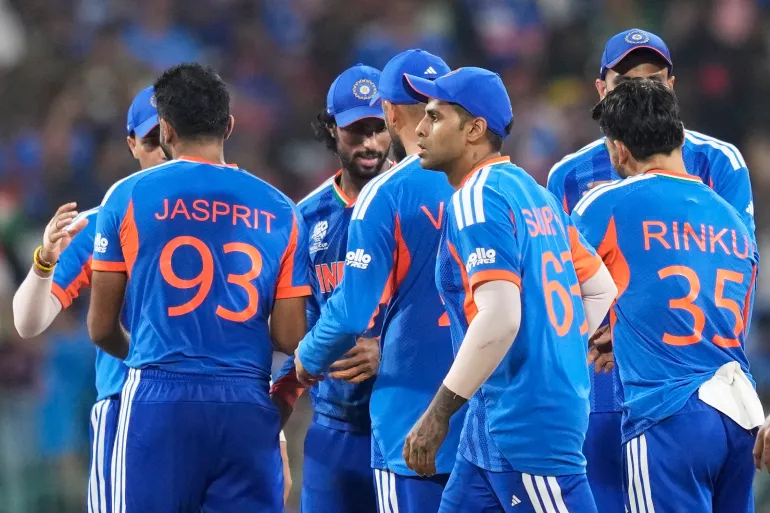
The T20 world cup has once again found itself at the center of debate, not because of a thrilling finish or record-breaking knock, but due to allegations of bias in the Super 8 stage scheduling. Social media discussions erupted after some fans claimed that tournament organizers had structured the fixtures to benefit certain teams. However, experts and former players have strongly dismissed these accusations, calling them exaggerated and misleading.
What Sparked the Controversy?
The debate began when the Super 8 lineup for the T20 world cup was finalized. Some fans argued that the grouping system gave certain teams a supposedly easier path to the semifinals. The criticism quickly gained traction online, with many questioning the fairness of the structure and suggesting favoritism.
At the center of these claims were accusations that the International Cricket Council had designed the format to suit the Board of Control for Cricket in India. While such theories spread rapidly, analysts pointed out that tournament formats are finalized long before match results are known, making manipulation highly unlikely.
Understanding the Super 8 Format
To understand the controversy, it’s important to know how the Super 8 stage works. Teams that qualify from the initial group stage are slotted into predetermined pools rather than freshly drawn groups. This structure is not new, previous editions of the T20 world cup have used similar systems to streamline scheduling, logistics, and broadcast planning.
Because these pools are pre-assigned, it can sometimes appear that one group is stronger than another. However, that imbalance is usually the result of match outcomes rather than deliberate planning.
Strong Rebuttal From Experts
Former India opener and commentator Aakash Chopra publicly rejected the bias allegations, responding bluntly to critics and calling such claims baseless. He emphasized that logistics, including venue availability, travel arrangements, and co-hosting obligations, play a major role in determining fixtures.
For example, scheduling must account for travel constraints involving teams like Pakistan and matches hosted outside the main host nation, such as games in Sri Lanka. These practical factors often shape group allocations more than competitive considerations.
Why Fans Often Suspect Bias
Major tournaments naturally create intense emotions. When a format seems to favor one team’s path, supporters of rival sides may assume unfairness. In reality, such perceptions often stem from:
- Misunderstanding tournament rules
- Selective interpretation of fixtures
- Emotional reactions after results
In global events like the T20 world cup, even minor scheduling quirks can be amplified into controversy because of the tournament’s massive fan following.
The Bigger Picture
Format debates are nothing new in cricket. Every major ICC event faces scrutiny over draws, seedings, or venues. Yet historically, investigations rarely uncover intentional favoritism. More often, what appears suspicious is simply the result of complex planning requirements.
The current uproar highlights how quickly narratives can form online, and how important it is to separate speculation from facts.
Conclusion
While the latest T20 world cup controversy generated plenty of noise, expert analysis suggests there is little evidence to support claims of bias. Tournament formats are designed months in advance and must balance fairness with logistical realities. Ultimately, results on the field, not group charts, determine champions, and that remains the true spirit of the T20 world cup.
Leave a Reply