
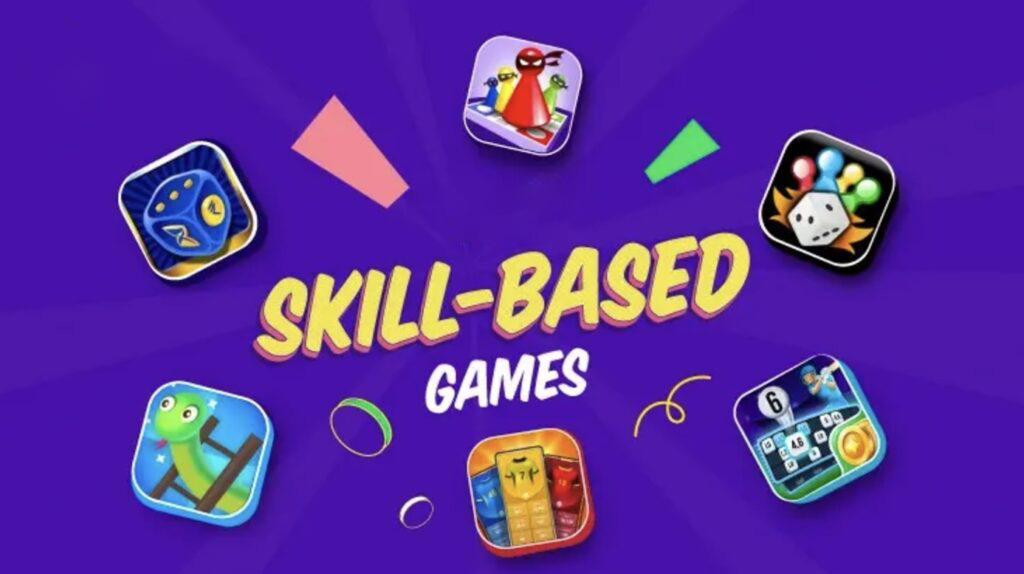
Online gaming has grown massively over the past few years, and players today want more than just luck-based fun. They want challenge, strategy, and games where their decisions actually matter. That’s exactly where skill-based games come in. These games are becoming increasingly popular on platforms like Jumbo because they reward thinking, planning, and gameplay experience rather than just random outcomes.
1. What Exactly is a Skill-Based Game?
A skill-based game is any game where the result depends mainly on the player’s abilities. In simple words, your knowledge, strategy, timing, and decision-making directly influence whether you win or lose. Unlike chance-based games, where luck plays the biggest role, skill-based games focus on the player’s talent and consistent performance.
This means that players who practice more, understand the game better, and use smart strategies usually win more often.
2. Key Features of Skill-Based Games
1. Player Control
In a skill-based game, your actions matter. Every move you make has a purpose, and the final outcome is shaped by your choices.
2. Strategy & Planning
Random moves don’t work here. These games require thought, whether you’re picking a team, choosing a move, or timing your action.
3. Consistency
Skilled players generally perform well repeatedly. That’s why skill-based games reward those who invest time and effort.
4. Fair Gameplay
Everyone plays under the same rules. There’s no hidden advantage or random twist that changes the outcome suddenly.
3. Popular Examples of Skill-Based Games
You’ll find many types of skill-based games across online platforms:
- Fantasy sports, where you create teams based on real player performance.
- Chess, which is entirely based on strategy.
- Rummy, which requires memory, calculation, and planning.
- Ludo (strategic play), where your decisions affect the game more than dice rolls.
- Quiz and trivia games, which test general knowledge and quick thinking.
Platforms like Jumbo offer various such games, giving players the chance to compete using their skills rather than relying on luck.
4. Skill vs. Luck: What’s the Difference?
The main distinction lies in control. In a luck-based game, your result is determined by elements you can’t control, like dice, cards, or random number generators. But in skill-based games, players influence outcomes using:
- Experience
- Strategic thinking
- Prediction
- Practice
- Game knowledge
This makes the gaming experience more meaningful and rewarding.
5. Why Are Skill-Based Games So Popular Today?
There are several reasons why players enjoy these games:
- They offer real challenges and engagement.
- You feel a sense of achievement when you win because you earned it.
- You can improve over time as you learn better tactics.
- Results feel fair, transparent, and skill-driven.
6. How to Improve Your Skills
If you want to perform better in skill-based games, here are some simple tips:
- Practice regularly to understand patterns.
- Watch how experienced players play.
- Learn strategies specific to each game.
- Review your mistakes and refine your approach.
- Always play responsibly and within limits.
Skill-Based Games are more than just entertainment; they are a test of intelligence, strategy, and consistent performance. With fair gameplay and room for improvement, they offer a richer gaming experience than pure luck-based games. If you want to challenge yourself, grow your abilities, and enjoy gaming more meaningfully, exploring skill-based games on platforms like Jumbo is a great place to start.




Leave a Reply