
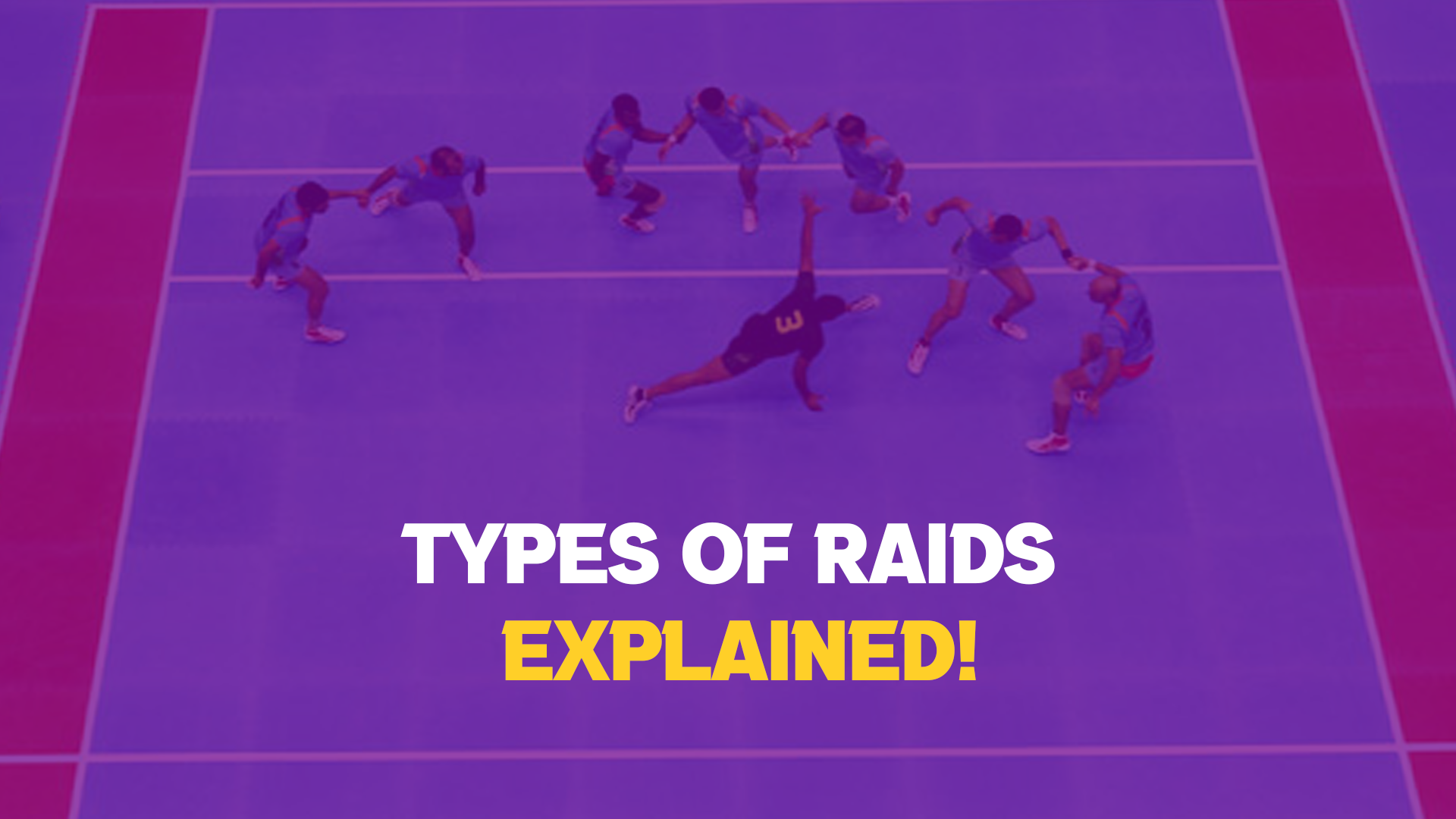
Kabaddi is a sport full of speed, skill, and split second decision making, and nothing showcases this better than a raid in kabaddi. Raiding is the heart of the game, the moment when a player crosses into the opponent’s half to score points while avoiding strong defensive tackles. Understanding the different types of raids not only helps players improve their performance but also makes the game more exciting for fans. Let’s break down the major raid types and what makes each of them unique.
1. What is a Raid in Kabaddi?
A raid in kabaddi is an attempt by a raider to enter the opponent’s territory, tag one or more defenders, and safely return to their side while continuously chanting kabaddi. A raid lasts for up to 30 seconds and every movement counts. The raider earns points for every defender they touch or for securing a bonus point, while defenders aim to stop the raider before they return.
2. Why Different Raid Types Matter
Every team has its own defensive style, so raiders use different techniques depending on the situation. Choosing the right approach can change the momentum of the match. The type of raid in kabaddi used often depends on the number of defenders present, their formation, and the pressure of the moment.
3. Main Types of Raids
a. Bonus Raid
A bonus raid happens when the raider aims for a single bonus point by crossing the bonus line without getting tackled. This is usually attempted when there are six or more defenders on the mat. It is a low risk, quick way to keep the scoreboard moving.
b. Touch Raid
One of the most common types, a touch raid focuses on tagging defenders using moves like the hand touch, toe touch, or running touch. Speed and unpredictability are key here. A well executed touch raid can pick off defenders one by one and put pressure on the opposing team.
c. Kick Raid
This raid uses kicks such as side kicks, back kicks, or jump kicks to touch defenders at a distance. Raiders with strong flexibility and balance often prefer this technique. A kick raid is especially effective against defenders who stay slightly behind the baulk line.
d. Dubki Raid
The dubki is one of the most iconic raiding styles. It involves the raider ducking low to slip under a chain tackle. Pardeep Narwal popularized this move, using it to escape even the tightest defensive formations. A dubki raid requires perfect timing and strong core strength.
e. Escape Raid
Some raiders rely more on evasion than contact. Escape raids involve spinning, sliding, turning, and dodging techniques that help the raider get away after a light touch. These raids are perfect for agile players who thrive on quick movements.
f. All Out or High Risk Raid
This is the pressure raid attempted when the team needs multiple points or when defenders are few in number. High risk raids can wipe out the remaining defenders and force an all out, giving the raiding team a big advantage.
4. Strategy Behind Choosing Raid Types
A successful raider reads the defence before making a move. A raid in kabaddi is not just about strength; it is about intelligence, footwork, timing, and understanding the opponents patterns. Skilled raiders switch between raid types to stay unpredictable.
Mastering different raid styles adds depth and strategy to kabaddi. Whether it is a powerful touch raid or a clever dubki, each technique brings a unique thrill to the sport. By understanding the types of raids and when to use them, both players and fans can appreciate the true art behind every raid in kabaddi.


Leave a Reply