
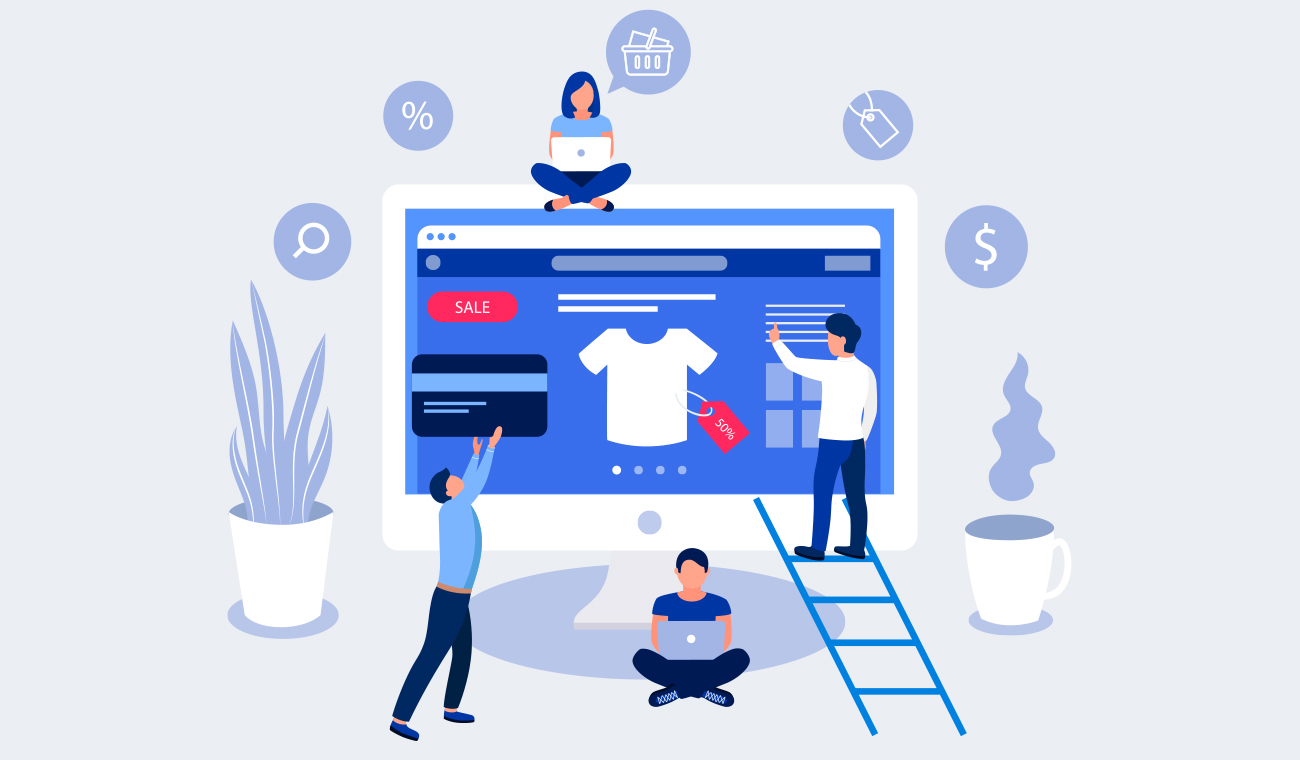
The digital marketplace has shifted. We no longer “go” shopping. Instead, shopping happens in the gaps of our daily lives. It happens while we scroll through Reels or watch a 15-second recipe. By 2026, the global social commerce market is expected to reach a staggering $2.1 trillion. This isn’t just a trend for the young. It is a fundamental rewrite of how humans discover and buy goods. Here is how social commerce 2026 is changing the game.
1. The End of the “Click-Out”
In the past, social media was a billboard. You saw an ad, clicked a link, and left the app. Today, that friction is dying. Platforms now keep you inside their ecosystem from discovery to delivery.
Native shops on TikTok and Instagram have removed the need for external browsers. This “frictionless” experience is a hallmark of social commerce 2026. When you remove the extra steps, conversion rates skyrocket. Brands are finding that keeping the customer within the app leads to fewer abandoned carts.
2. Market Pulse: The 2026 Snapshot
To understand this shift, we have to look at the numbers. The data shows that social media has become the primary mall for a new generation.
- Market Growth: Global social commerce 2026 spending is projected to hit $2.11 Trillion.
- Gen Z Power: 53% of Gen Z consumers now purchase directly within social apps.
- Conversion Gap: Live shopping events see an 8.1% engagement rate. This is nearly double traditional static ads.
- Trust Factor: 56% of shoppers buy products recommended by creators every single week.
3. Social Search is the New SEO
The way we find products has changed. People are typing “best skincare for dry skin” into TikTok rather than Google. They want to see the product in action. They want to see a real person using it.
This shift means brands must focus on “Social Search.” In the landscape of social commerce 2026, your visibility depends on video content. If a customer can’t see a 3D demo or a user review in their feed, you don’t exist to them. Visual validation is now more important than a high search engine ranking.
4. The Creator as the Infrastructure
We are moving away from polished celebrity ads. Today, the “Micro-Creator” is the king of retail. These creators act as a bridge of trust.
Shoppers in 2026 value authenticity over production quality. A shaky, hand-held video of a creator unboxing a gadget often sells more than a million-dollar commercial. Because of this, social commerce 2026 relies heavily on these creator-led storefronts. They don’t just promote products; they provide the social proof needed to hit “Buy Now.”
5. Why Personalization Matters
Algorithms are now smarter than ever. They don’t just guess what you want. they predict it. By analyzing your watch time and engagement, social platforms build a “Store of One.”
This level of personalization is the engine behind social commerce 2026. It ensures that every item on your feed feels relevant. When the product matches the person perfectly, shopping feels less like a chore and more like a discovery.
Conclusion: Adapt or Fade
The wall between “content” and “commerce” has finally collapsed. For brands, the lesson is clear. You cannot wait for customers to find your website. You must meet them in the feed.
The world of social commerce 2026 is fast, visual, and deeply personal. Success today isn’t about having the biggest budget. It’s about having the most seamless experience. If you can make a customer feel something and buy something in the same 15-second window, you’ve already won.



Leave a Reply