
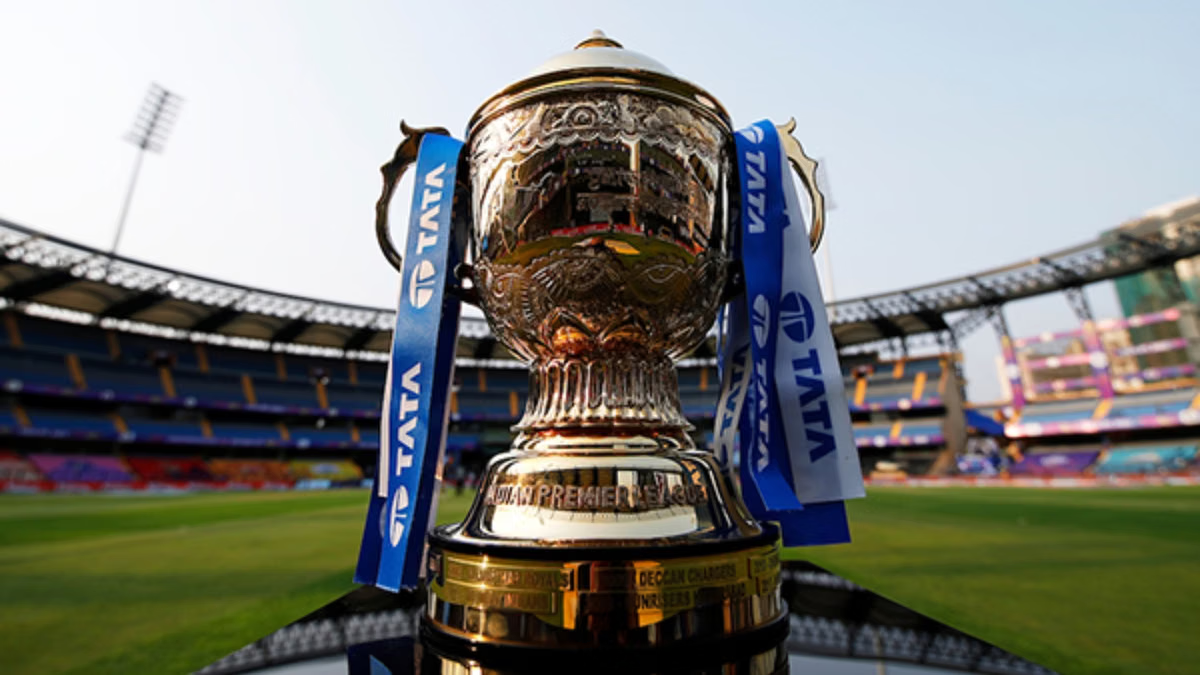
The excitement around the Indian Premier League is at an all-time high, but just before the tournament kicks off, the Board of Control for Cricket in India has added a fresh twist. The IPL 2026 rule changes have been introduced at the last minute, and they are already sparking conversations across teams, analysts, and fans.
These new guidelines are not just minor tweaks, they directly impact how teams prepare, train, and operate during the tournament. From practice restrictions to stricter discipline, here’s a complete breakdown of what’s new and why it matters.
Why these changes were introduced
The IPL has grown into one of the most competitive and high-pressure tournaments in world cricket. With matches happening across multiple venues in quick succession, maintaining pitch quality and ensuring fairness becomes critical.
The IPL 2026 rule changes are largely focused on:
- Preserving match pitches
- Standardizing team operations
- Reducing last-minute chaos around match preparation
This move reflects a more structured and professional approach by the BCCI as the league continues to scale.
No practice on match days
One of the biggest updates in the IPL 2026 rule changes is the ban on practice sessions on match days.
Teams will no longer be allowed to train on the same day they are scheduled to play. This decision primarily aims to:
- Prevent excessive wear and tear on match pitches
- Ensure equal playing conditions for both teams
While this might seem restrictive, it forces teams to plan their practice sessions more strategically in advance.
Strict allocation of practice facilities
Another key highlight among the IPL 2026 rule changes is how practice facilities will be distributed.
Each team will be given:
- Two practice nets
- One side wicket for range hitting
If both teams are practicing at the same time, facilities will be divided equally. Importantly, teams are not allowed to use the opponent’s practice area, even if it’s lying unused.
This ensures fairness but also means teams have limited flexibility, making planning even more important.
No fitness tests on match days
In another significant move, players are not permitted to conduct fitness tests on match days.
This rule:
- Keeps the focus entirely on match performance
- Avoids unnecessary use of training areas and pitches
It’s a small but impactful addition that aligns with the broader goal of reducing on-ground clutter and distractions.
Restrictions on family and friends
The IPL 2026 rule changes also extend beyond the field. New guidelines have been introduced regarding the presence of players’ families and friends.
They are:
- Not allowed in training or practice areas
- Restricted to designated hospitality zones
This step is aimed at maintaining professionalism and minimizing distractions during crucial preparation time.
Mandatory team travel rules
Discipline has been further tightened with clear travel guidelines.
Teams are now required to:
- Travel together using the official team bus
This ensures uniformity and better coordination while also reinforcing a sense of team structure and accountability.
Dress code and presentation rules
The league has also emphasized stricter dress code compliance.
For example:
- Players must follow official attire guidelines at all times
- Orange Cap and Purple Cap holders must wear them during presentations
While this may seem like a branding move, it also enhances consistency in the league’s presentation.
What these changes mean for teams
The IPL 2026 rule changes will definitely influence how teams approach the tournament.
Key impacts include:
- Better pre-match planning due to limited practice time
- Increased importance of scheduling and logistics
- Reduced last-minute adjustments on match day
Teams that adapt quickly to these structured rules are likely to gain a competitive edge.
Conclusion
The IPL 2026 rule changes mark a shift towards a more disciplined and professionally managed tournament. While some teams may initially find these rules restrictive, they ultimately aim to improve match quality, ensure fairness, and protect playing conditions.
As the season unfolds, it will be interesting to see how franchises adapt and whether these changes influence on-field performance. One thing is certain, IPL 2026 is not just about big hits and thrilling finishes, but also about smarter preparation and sharper execution.
Leave a Reply