
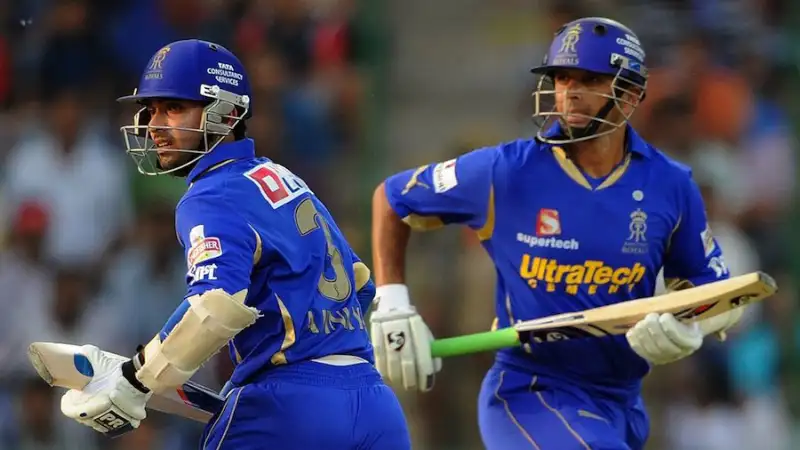
Modern T20 cricket is no longer just about big hitters and quick runs; it is a game of fine margins and smart tactics. One strategy that has gained massive attention in recent years is the use of the left-right batting combination. Teams are actively planning their batting orders to maintain this balance at the crease, ensuring bowlers are constantly under pressure. From disrupting rhythm to forcing field changes, this approach has quietly become a game-changer in the shortest format.
What is a Left-Right Batting Combination?
A left right batting combination simply refers to having one left-handed and one right-handed batter at the crease together. While it may sound basic, the impact it creates on the field is significant.
Unlike traditional batting lineups where players came in based on skill or position, modern teams now think a few steps ahead. They often send a specific batter to ensure the left right batting combination is maintained, even if it means promoting or delaying certain players.
Why Teams Prefer This Strategy
The biggest advantage of a left-right batting combination is how it disrupts a bowler’s rhythm. Bowlers typically settle into a line and length against one type of batter, but switching between left and right forces constant adjustments.
This also leads to:
- Frequent field changes, increasing chances of fielding errors
- Difficulty in executing consistent plans
- More scoring opportunities due to gaps in the field
- Added pressure on captains to make quick decisions
In a format where every ball counts, even a slight disruption can tilt the game.
Impact on Bowlers and Fielding Strategy
For bowlers, maintaining accuracy becomes much harder. A good delivery to a right-hander may turn into a scoring opportunity for a left-hander from the same spot.
Spinners, in particular, face a tough challenge as angles change dramatically with each batter. Pacers too have to constantly alter their lines, especially in the death overs.
Fielding teams are forced to adjust placements almost every ball, which can:
- Break defensive setups
- Create confusion among fielders
- Lead to misfields or poor positioning
This constant shift is exactly what batting teams aim to exploit.
Role in T20 Cricket Strategy
The importance of a left right batting combination varies across different phases of the game:
Powerplay:
Teams use it to maximize scoring when field restrictions are in place.
Middle Overs:
It helps in rotating strike and preventing bowlers from settling into a rhythm.
Death Overs:
Maintaining this combination becomes crucial to keep bowlers guessing under pressure.
Many teams now use flexible batting orders, floaters, and pinch hitters specifically to ensure this balance is not broken.
Famous Left-Right Pairs in Cricket
Over the years, several successful partnerships have highlighted the value of this strategy. These pairs consistently put bowlers under pressure by combining different angles, shot selections, and scoring areas.
What made them effective was not just skill, but how naturally they maintained the left-right batting combination, forcing oppositions to rethink their plans constantly.
Data & Analytics Behind the Trend
With the rise of data analytics in cricket, teams now have solid numbers to support this approach. Studies have shown that scoring rates often improve when a left right batting combination is in play.
Matchups, bowler preferences, and fielding patterns are all analyzed in advance. Teams even plan substitutions and batting orders based on maintaining this advantage for as long as possible.
Are Left-Right Combos Always Effective?
While the strategy is powerful, it is not foolproof. High-quality bowlers with strong control and variations can neutralize the impact.
There are also situations where:
- Batters struggle individually despite the combination
- Teams become too dependent on maintaining the pairing
- Match conditions favor bowlers regardless of angles
So, while the left-right batting combination is valuable, execution still matters more than theory.
The Future of Batting Strategies
As T20 cricket continues to evolve, strategies like this will only become more refined. Teams are likely to go even deeper into data, using AI and advanced analytics to plan every move.
We may soon see batting orders that change dynamically based on match situations, all with the goal of preserving the left right batting combination for maximum impact.
Conclusion
The rise of the left right batting combination highlights how tactical modern cricket has become. It is no longer just about who bats, but how they bat together. By constantly challenging bowlers and forcing captains to adapt, this simple yet effective strategy is shaping the way T20 cricket is played today.
As teams continue to innovate, one thing is clear, this tactical battle is here to stay, and its influence will only grow stronger in the seasons to come.
Leave a Reply