
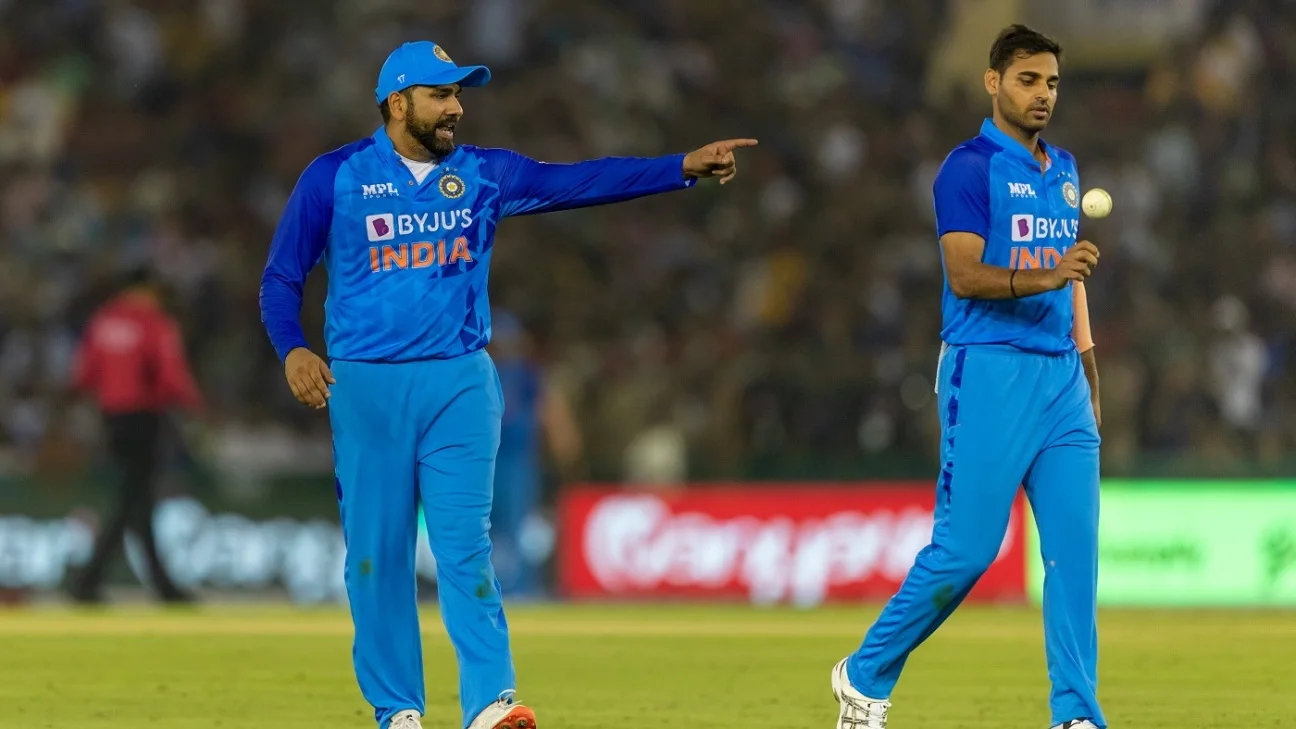
In the high-octane world of the Indian Premier League, matches are often decided in the final few overs. These crucial moments, known as the death overs, can make or break a team’s chances. However, a worrying trend has emerged. Teams are increasingly failing to execute under pressure. The growing concerns around IPL death overs bowling are now impossible to ignore.
What Is the Death Overs Crisis?
The term “death overs crisis” refers to the consistent inability of teams to control the game in the final overs of an innings. Whether it’s defending a total or restricting a strong finish, teams are conceding more runs than ever before. IPL death overs bowling has become one of the weakest links, with even experienced bowlers struggling to maintain control.
Why Teams Are Struggling in Death Overs
Rise of Power Hitters
Modern T20 cricket has evolved rapidly. Batters are stronger, more innovative, and fearless. With players specializing as finishers, even the best deliveries are being dispatched for boundaries. This puts immense pressure on IPL death overs bowling, where margin for error is minimal.
Predictable Bowling Patterns
Bowlers often rely heavily on yorkers and slower balls in the final overs. While these are effective weapons, overuse has made them predictable. Batters are now reading these patterns better, reducing the effectiveness of IPL death overs bowling strategies.
Lack of Specialist Death Bowlers
Not every team has bowlers who can consistently deliver under pressure. The absence of specialists who can execute yorkers and variations accurately is a major factor behind the decline in IPL death overs bowling standards.
Pressure and Mental Fatigue
Death overs are as much a mental battle as a physical one. One mistake can cost the game. Under such pressure, even top bowlers miss their lengths, bowl full tosses, or lose control. This leads to big finishes.
Captaincy and Fielding Errors
Captaincy decisions in the final overs play a crucial role. Poor field placements, delayed bowling changes, or misreading the situation can worsen the impact of weak IPL death overs bowling. Add to that dropped catches or misfields, and the problem becomes even bigger.
Impact on Match Outcomes
The consequences of poor death overs execution are evident. Matches that seem under control suddenly slip away. Teams are finding it harder to defend even 200+ totals. This highlights how critical IPL death overs bowling has become in determining results.
How Teams Can Fix the Crisis
Developing Specialists
Teams need to invest in bowlers who can specifically handle death overs. Skill development focused on yorkers, slower deliveries, and accuracy is key.
Smarter Strategies
Variation is crucial. Instead of sticking to predictable patterns, bowlers must mix lengths and pace intelligently.
Data and Analysis
Using analytics to study batter preferences can help bowlers plan better and stay one step ahead.
Calm Leadership
Captains need to remain composed and proactive. Quick decisions and clear strategies can ease pressure on bowlers.
Conclusion
The death overs crisis is one of the biggest challenges in modern T20 cricket. As batting continues to dominate, teams must evolve to stay competitive. Improving bowling is no longer optional. It is essential. Those who adapt will win the tight games, while others risk being left behind in this fast-changing format.
Leave a Reply